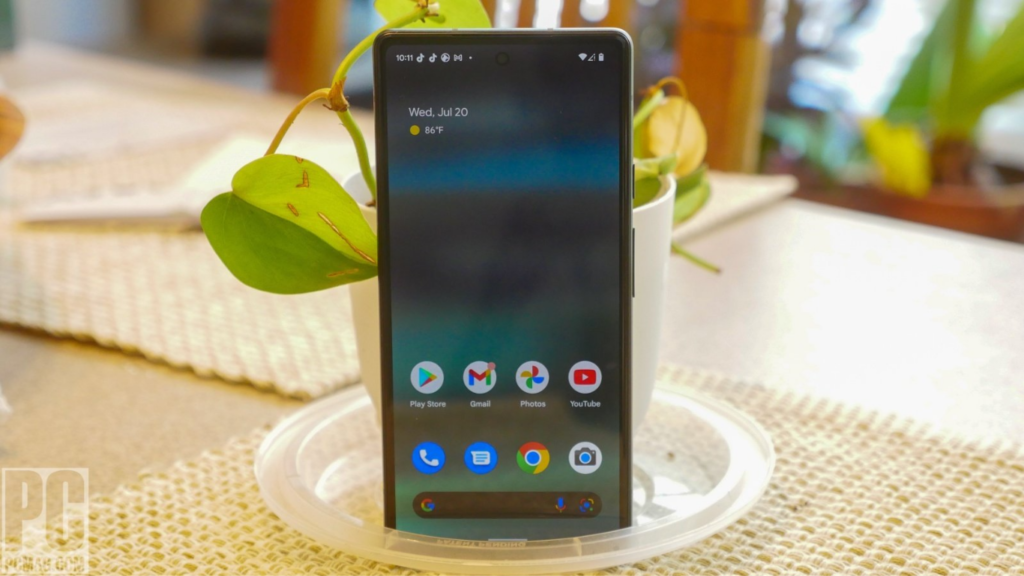
Google Confirms Battery Restrictions for Pixel 6a Starting July 8
Google has officially announced a change to how the Pixel 6a manages battery charging and thermal performance, beginning with a new software update rolling out on July 8. The move aims to prolong the battery lifespan and reduce overheating risks, but it comes at the cost of limiting maximum battery capacity and peak charging speeds.
This decision, reported by PCMag, has sparked widespread discussion among users and industry observers. While Google frames the change as a safety and longevity measure, some users see it as a compromise on device performance—especially considering that Pixel 6a users did not originally expect this trade-off when purchasing their devices.
This article explores the technical and strategic implications of Google’s move, what it means for developers, and how it may affect users in both daily usage and long-term ownership.
What’s Changing with the Pixel 6a?
The July 2025 update will introduce the Adaptive Charging Limit feature on the Pixel 6a. This feature caps the device’s maximum charge to 80% under certain conditions and may reduce fast-charging capabilities when the device detects that long-term charging or elevated thermal conditions are present.
While the feature is technically optional and users can disable it, it will be enabled by default on devices that meet the charging conditions outlined by Google. The goal is to reduce battery stress during prolonged charging—especially overnight—thus extending battery health and minimizing heat-related wear.
Why Google Is Implementing This Now
This shift appears to align with a broader industry trend toward battery sustainability. Google likely drew insights from competitors like Apple, which implemented similar features on iPhones with Optimized Battery Charging, and Samsung, which includes a Protect Battery toggle on Galaxy devices.
However, unlike those implementations, the Pixel 6a update adds this behavior more proactively. Rather than wait for the device to learn habits over time, Google’s update initiates the limitation immediately when specific thermal or charging conditions are met.
According to Google’s support documentation, the focus is on maintaining optimal lithium-ion battery chemistry over the product’s lifespan. It reflects Google’s intention to manage expectations and extend device reliability—but it raises questions about how the brand balances control versus user autonomy.
How Will This Impact Daily Usage?
For many Pixel 6a owners, particularly those who rely on overnight charging or use their phone heavily throughout the day, the charging limit could lead to practical challenges. A capped charge of 80% might result in users needing to recharge more often than they’re used to, particularly if they engage in power-intensive tasks like video streaming, gaming, or mobile development.
That said, the overall benefit is extended battery health—something that becomes valuable in the second or third year of ownership. The Pixel 6a, launched as a mid-range device, has built a reputation for balancing affordability with long-term support. This update suggests Google wants to maintain that support without sacrificing thermal safety.
Developer Implications
For developers, the update introduces new testing variables. Apps that monitor or optimize battery usage—such as power management utilities, charging analytics, or performance profiling tools—may need to adapt to reflect these new limitations accurately.
It also presents a case study in how system-level battery optimizations affect real-world application performance. If your app relies on background tasks or persistent notifications, knowing when the device is in a reduced charging state could help inform adaptive behavior to conserve power.
Furthermore, developers building cross-platform applications may now need to consider Pixel 6a-specific behavior, especially when testing performance over long sessions or emulating full charge cycles.
Impact on Gamers and Performance Users
Gamers who use the Pixel 6a for extended play sessions may notice changes in thermal behavior and power availability. While the update is designed to prevent the phone from getting too hot during charging, it could also lead to slightly longer charge times or reduced overall uptime if the 80% cap remains in place.
However, this isn’t necessarily a downgrade—it’s an attempt to mitigate performance throttling caused by heat, which is a known challenge in budget-tier mobile hardware. Gamers who prioritize sustained performance over peak charge capacity may ultimately benefit from better thermal consistency.
Hardware and Ecosystem Context
This move places Google in a larger trend among mobile manufacturers who are shifting focus toward battery sustainability and long-term performance. It’s no longer just about the speed of the charge—it’s about the health of the device over multiple years.
Battery safety is also becoming a legal and regulatory topic in several global markets. Google’s proactive update to the Pixel 6a may also be a step toward compliance with upcoming requirements around battery longevity and safety—particularly in regions like the EU, where hardware recyclability and durability are increasingly regulated.
Hardware partners and accessory manufacturers may take note as well. Products like fast chargers and power banks will need clearer communication regarding compatibility with the Pixel 6a‘s updated charge management behavior.
Can You Disable the Charging Limit?
Yes. Google provides an option to turn off the Adaptive Charging Limit feature. Users can navigate to their device’s Battery settings and disable it if they prefer a full 100% charge at all times. However, Google strongly recommends keeping it enabled for improved battery lifespan.
This opt-out model gives tech-savvy users more control, but it’s expected that the majority of users will leave the setting as-is—especially since it will be enabled by default and triggered based on usage patterns and heat profiles.
Community Feedback and Early Reactions
So far, community reactions are mixed. Some users on Reddit and X (formerly Twitter) applaud Google for taking a proactive step toward battery preservation, while others argue that these limitations should be opt-in, not opt-out.
There’s also concern about whether this update is a one-off or the beginning of broader limitations across Pixel devices. If Google finds success with this rollout, it may introduce similar battery control mechanisms on upcoming models like the Pixel 7a or Pixel 8 series.
Tech reviewers from Android Police and 9to5Google have noted that while the Pixel 6a continues to deliver value, this update could affect user perception depending on how transparent and customizable the feature remains.
Final Thoughts: A Battery-Conscious Future
The new update for the Pixel 6a reflects a growing shift in how tech companies think about battery life, thermal safety, and long-term usability. It’s a balancing act between immediate performance and device longevity.
While not everyone will welcome reduced charging speeds or capacity limits, the broader intent is clear: prolong the life of your device without sacrificing safety. Whether you’re a developer, gamer, or casual user, understanding how these changes affect your daily routine is essential.
Stay Ahead in Tech
📡 For insights on the latest performance updates, visit at: https://kodecraze.com/news/