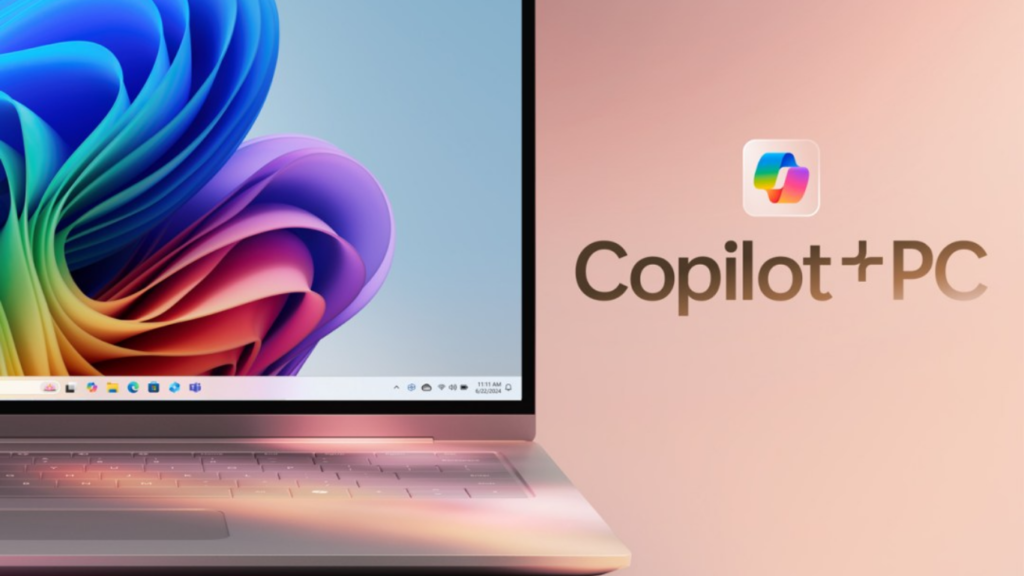
Intel Arrow Lake Chips Bring Copilot Plus to More PCs
Intel is preparing to power the next generation of AI-driven PCs with its upcoming Arrow Lake and Lunar Lake processors. These chips will support Microsoft’s latest platform features, positioning Intel to compete directly with Qualcomm and AMD in delivering next-gen computing experiences.
Until now, Microsoft’s advanced AI features required processors that hit 40+ TOPS (trillion operations per second)—a spec only Qualcomm and AMD had reached. But Intel’s entrance is poised to broaden accessibility, ensuring that high-performance devices across more price points support Copilot Plus-ready functionality.
What Is Copilot Plus?
Copilot Plus is Microsoft’s umbrella branding for a new class of AI-powered PCs that process advanced machine learning features directly on the device. These systems include a dedicated Neural Processing Unit (NPU), enabling enhanced tasks such as:
-
AI-powered file recall
-
Real-time image generation
-
Live captions and language translation
-
Local summarization and text rewriting tools
Because these features operate without cloud dependence, Copilot Plus PCs can offer faster performance, improved privacy, and better offline usability.
To explore the capabilities, check out Microsoft’s Copilot Plus page.
Arrow Lake and Lunar Lake: Intel’s AI-Centric Architecture
Intel is introducing Arrow Lake and Lunar Lake chips with integrated NPUs capable of meeting Microsoft’s performance threshold for local AI processing. These new CPUs will help Intel compete in a growing segment where real-time on-device inference becomes key to user experience.
-
Arrow Lake targets desktops and performance laptops, ideal for creators and professionals
-
Lunar Lake is built for thin-and-light laptops, prioritizing power efficiency and mobility
Intel’s upcoming lineup promises not only compatibility with Microsoft’s AI platform but enhanced support for hybrid workloads across CPU, GPU, and NPU.
Additional details are expected during Intel’s Innovation 2024 keynote.
Why It Matters to Developers
This shift opens new doors for Windows developers. Building apps that leverage NPU acceleration for AI-enhanced features will no longer be restricted to ARM platforms. With Intel supporting these capabilities on x86 hardware, the development landscape becomes much more versatile.
Key benefits for developers:
-
Broader hardware support for AI workflows
-
Better consistency between AMD, Intel, and Qualcomm-powered systems
-
Access to familiar x86 development tools and libraries
For those looking to build or optimize apps for AI integration, Windows AI documentation is the go-to starting point.
Gamers and Creators: What to Expect
While Copilot Plus is largely targeted at productivity and content creation, the underlying hardware enhancements bring performance gains to gamers and creators as well.
Gamers may soon see:
-
Faster game asset loading via DirectStorage
-
AI-enhanced resolution scaling
-
More seamless background processes like streaming or multitasking
Content creators stand to benefit from local AI tools like real-time transcription, image enhancement, or AI-assisted editing—all performed without latency or cloud dependency.
Competition in the Copilot-Enabled PC Space
Intel’s launch aligns with a broader push across the PC industry to standardize AI-driven computing. Qualcomm’s Snapdragon X and AMD’s Ryzen AI 300 already support Microsoft’s AI platform. Now, with Intel’s backing, the ecosystem of supported hardware expands dramatically.
This means users will have more choice in devices that can fully utilize Microsoft’s AI tools, including a wider range of price tiers and configurations.
Business and Enterprise Use Cases
Beyond consumer devices, Copilot Plus features will have major implications for business environments:
-
Enterprise-grade privacy with local processing
-
Enhanced productivity tools integrated into Microsoft 365
-
Improved device management via Windows Autopilot and Intune
With Intel chips now supporting the platform, IT departments gain more flexibility in deploying AI-powered PCs without abandoning traditional x86 enterprise infrastructure.
For official implementation guidance, visit the Windows Developer Center.
A Step Toward AI-Native Windows
Microsoft’s shift toward local AI computing marks a deeper strategy to redefine personal computing. By eliminating cloud dependencies, the company is preparing the Windows ecosystem for a more private, responsive, and secure future.
Intel’s integration into this landscape means that Copilot Plus will become a mainstream feature across consumer and enterprise devices—not a luxury confined to premium-tier hardware.
Release Timeline
Intel confirmed that Lunar Lake laptops will begin shipping in Q3 2024, with Arrow Lake desktop and mobile chips arriving later this year. Once both lines are available, Microsoft’s AI feature set will be supported by all three major chip vendors.
This means nearly every major PC brand—including Lenovo, Dell, HP, and ASUS—will soon offer Copilot Plus-enabled models.
Final Thoughts: Intel Levels the Playing Field
Intel’s move into the Copilot Plus category signals that AI-powered features are here to stay. With increased support from x86 systems, Microsoft’s AI-enhanced OS experience will be more widely available, benefiting developers, gamers, and businesses alike.
Stay Ahead in Tech
Stay updated with the latest AI, hardware, and content creation news at kodecraze.com/news