The Best Smart Locks of 2025: A New Era of Access Control
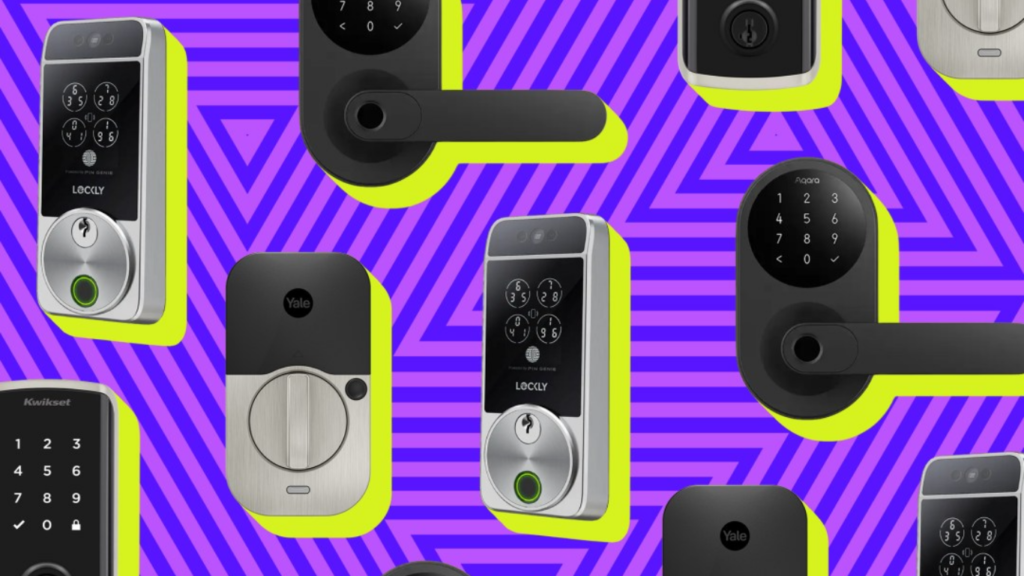
Smart locks have become essential devices in connected homes. They allow homeowners to control access remotely, integrate with smart assistants, and manage security with a simple app. This growing segment is redefining how we think about convenience and safety.
With 2025 bringing fresh innovations, let’s explore standout products, developer opportunities, and the future of access control.
What Makes a Smart Lock Essential for Modern Homes?
Today’s best smart locks offer more than keyless entry. They provide encrypted communication, support voice assistant integration, and connect with emerging home automation standards like Matter and Thread.
Key features include:
-
Remote control via smartphone apps
-
Voice assistant compatibility (Google Assistant, Alexa, Siri)
-
Activity logs and multi-user access
-
Biometric options like fingerprint recognition
-
Tamper alerts and encrypted connections
Leading Smart Locks You Should Know in 2025
Yale Assure Lock 2
The Yale Assure Lock 2 remains a top choice for homeowners, thanks to its Wi-Fi, Bluetooth, and Z-Wave options. Its design is sleek, and setup is simple — key factors for adoption. It’s compatible with popular ecosystems like Apple HomeKit and Google Home, with future Matter support on the roadmap.
Official Source: Yale Home – Product Announcement
Schlage Encode Plus
The Schlage Encode Plus integrates Wi-Fi, supports Apple Home Key via NFC, and requires no additional hubs. This model emphasizes simplicity without sacrificing advanced features. The addition of Thread support ensures secure connectivity and longer battery life.
Schlage Sense Pro
Announced at CES 2025, the Schlage Sense Pro introduces ultra-wideband (UWB) technology for proximity-based auto-unlocking, reflecting a push toward intuitive, secure smart-home solutions.
Developer Opportunities in the Smart Lock Ecosystem
Developers have a growing role as manufacturers offer APIs for integration with platforms like HomeKit and Home Assistant.
Opportunities include:
-
Building secure third-party apps for access management
-
Creating automation routines tied to smart lock activity
-
Leveraging biometric authentication for added security
With smart locks increasingly part of connected environments, there’s high demand for software that enhances user control and data protection.
Hardware Manufacturers & The Push for Smarter Access
Smart lock development is shaping the future of IoT hardware. Key considerations for manufacturers include:
-
Integration of efficient wireless protocols (Wi-Fi, Thread, Z-Wave)
-
Adoption of biometric technology
-
Hardware durability and energy efficiency
-
Firmware that supports encryption and regular updates
Smart locks have become a key driver in pushing hardware capabilities forward, influencing battery technology, module design, and secure communications.
Why Smart Locks Matter to Tech Enthusiasts and Gamers
For tech-savvy users and gamers, smart locks offer hands-free control and seamless integration with other devices. Smart routines triggered by locking or unlocking can automate lighting, climate control, and security systems — delivering a streamlined living experience.
Gamers with high-value setups also benefit from enhanced security and remote monitoring features built into today’s best smart locks.
Privacy and Security: The Cornerstones of Smart Lock Adoption
With more connected devices comes greater responsibility for security. Smart lock manufacturers are prioritizing:
-
End-to-end encryption
-
Secure authentication methods
-
Regular firmware updates
-
Transparent data privacy policies
The Future of Smart Locks: Integration and Innovation
Smart locks are evolving beyond simple access tools. They’re becoming integral parts of broader smart-home systems.
Future trends include:
-
Wider adoption of Matter for cross-platform compatibility
-
Smarter, context-aware access routines
-
Deeper integration with AI-driven home automation
Conclusion: Smart Locks Shape the Smart Home Frontier
Modern smart locks are more than entry devices—they are gateways to secure, automated, and interconnected living spaces. With innovations in wireless tech, biometrics, and home standards, they influence hardware design, developer ecosystems, and user experiences alike.
Stay Ahead in Tech
For ongoing tech insights, visit KodeCraze.