Ken Pillonel’s iPhone Case Mod Unlocks a Future Apple Resisted
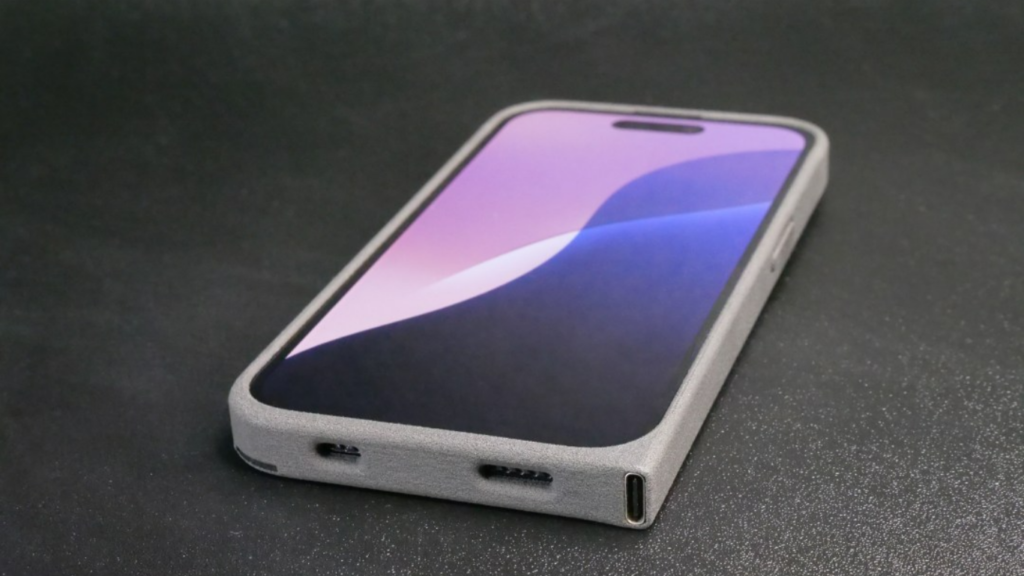
In a world where device uniformity is increasingly essential, Ken Pillonel’s latest innovation marks another leap forward. Known for his viral engineering work, Pillonel has now designed an iPhone case that converts Apple’s proprietary Lightning port to a more open standard—USB-C—without modifying the phone’s internal components.
For developers, hardware designers, and users frustrated by ecosystem limitations, this case offers not only convenience but a glimpse into what the future of mobile hardware could look like if open standards were prioritized.
What the Mod Actually Does
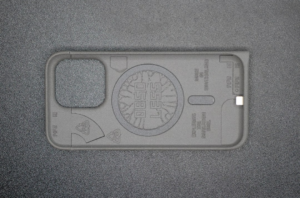
This contains a custom-designed circuit board that converts Lightning input into a fully functional USB-C port. It doesn’t require soldering, software hacks, or breaking open the iPhone—just pop on the case, and the phone now supports charging and data transfer via USB-C.
This is not Pillonel’s first time modifying Apple devices. In 2021, he made headlines for integrating a working USB-C port directly into an iPhone’s chassis. That project required delicate internal rewiring, but this new approach makes the concept practical and widely accessible.
Why This Matters Right Now
The timing of this release is significant. The EU has mandated that most personal electronics, including smartphones, must use USB-C for charging by 2024. Apple’s iPhone 15 is the company’s first step toward compliance—but only on their latest model.
For users with older iPhones, Pillonel’s mod offers a way to standardize cables and accessories across all devices without waiting for Apple to catch up. That matters for consumers and hardware developers who are investing heavily in the USB-C ecosystem.
Now available for most models at Obsoless.com, the case retails between $45–$55 and marks a pivotal step toward universal hardware standards.
Impact on Developers and Hardware Innovators
This move has practical implications beyond user convenience. Developers building accessories for iOS have long faced the challenge of dual-port support: one for Lightning and one for everything else.
The case mod lowers the barrier to development in several ways:
-
Cross-Platform Testing: Developers can use standardized cables and tools.
-
Reduced Costs: No need for custom connectors or multiple test setups.
-
Prototype Compatibility: Ideal for testing with both Android and Apple devices.
While Apple’s Made-for-iPhone (MFi) certification program still governs full hardware integration, an external USB-C connection simplifies non-MFi accessory development.
Gamers and Streamers: Easier Setups Ahead
For mobile gamers, this could be a game-changer—literally. Setting up gamepads, streaming equipment, or audio interfaces often requires adapters or custom Lightning accessories. This case eliminates that hurdle, allowing gamers to use their standard USB-C gear across consoles, PCs, Android devices, and now even iPhones.
Although there may still be bandwidth limitations (since the conversion is hardware-based and not native), this mod opens up greater compatibility for peripherals typically built around USB-C standards.
For Hardware Brands: A Clear Direction
Third-party hardware makers are already adapting to Apple’s upcoming transition, but innovations like this mod send a strong market signal: universal standards are no longer optional.
The existence of this case suggests that:
-
Demand for port uniformity is user-driven
-
Accessory makers must design with USB-C in mind—even for Apple devices
-
Engineering workarounds can drive innovation faster than corporate timelines
Rather than waiting on full Apple adoption across product lines, companies should invest now in modular or adaptive product designs that accommodate multiple charging and data standards.
More Than a Mod: A Statement of Openness
What makes this mod remarkable isn’t just the engineering—it’s the philosophy behind it. Pillonel’s project challenges Apple’s long-standing insistence on proprietary solutions and offers a literal workaround for those who value openness and user control.
It reflects a larger trend in hardware: enthusiasts, makers, and professionals taking technology into their own hands. And in many cases, offering better real-world solutions than official product lines.
Limitations to Keep in Mind
While exciting, the mod isn’t a silver bullet for all iPhone users. Some limitations include:
-
Slight increase in bulk due to the integrated converter
-
Limited support for advanced USB-C features like high-speed data or video output
-
No guarantee of long-term durability under heavy use
Still, for tech-savvy users or developers, these trade-offs are minor compared to the benefits of standardization.
Apple’s Reluctant Shift
Apple’s move to adopt USB-C has been slow and reactive. While iPads and MacBooks embraced the standard years ago, iPhones held on to Lightning—until European regulators forced change.
This case mod is a reminder that innovation often comes from outside the walled garden. It demonstrates that user preferences—simpler cables, faster charging, wider compatibility—are driving change just as much as legislation.
Whether Apple will fully embrace universal standards or continue pursuing proprietary ecosystems remains to be seen. But one thing is clear: the public appetite for USB-C integration is growing rapidly.
Final Thoughts: A Glimpse into the Future
Ken Pillonel’s iPhone case mod may seem like a niche project, but it represents something much bigger. It encapsulates user frustration with closed systems and highlights how engineering ingenuity can deliver practical, meaningful change.
For developers, gamers, and hardware makers, the shift toward USB-C is not just convenient—it’s inevitable. And with modders like Pillonel leading the way, that future might arrive sooner than expected.
Stay Ahead in Tech
For more deep dives into tech innovation, hardware modding, and standards that shape the industry, visit KodeCraze.