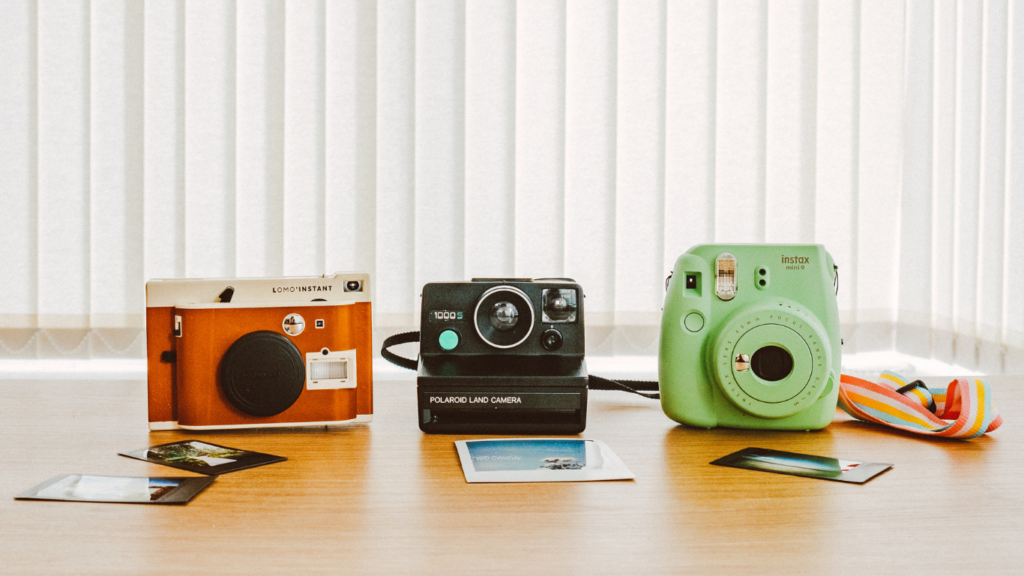
The Best Instant Cameras of 2025: Where Retro Meets Smart Technology
The resurgence of instant cameras in the digital age highlights how innovation can reinvent classic technology. Once sidelined by digital photography, these devices have carved out a niche for creative enthusiasts, photographers, and even tech developers seeking unique hardware experiences.
In this comprehensive guide, we’ll explore the standout instant cameras of 2025, analyze their significance for developers and hardware manufacturers, and examine how they’re reshaping both photography and consumer tech.
Why Instant Cameras Remain a Cultural Staple
Instant cameras offer a tactile experience unmatched by smartphones or digital cameras. The ability to capture a moment and hold a physical print within seconds connects users with a sense of nostalgia while delivering on modern expectations of convenience.
What keeps instant cameras in demand?
-
Physical Keepsakes: Instant prints have become cherished mementos in a digital world.
-
Creative Control: Built-in filters, lens effects, and creative shooting modes attract artists and hobbyists.
-
Event Appeal: Ideal for weddings, parties, conventions, and personal projects.
-
Collectability: Special editions and collaborations with brands or artists increase desirability.
Fujifilm Instax Mini Evo: The Hybrid King
Fujifilm leads the instant cameras market with its hybrid approach in the Instax Mini Evo, a standout model praised for merging digital versatility with analog charm.
Key Features:
-
10 lens effects and 10 film effects allow 100 unique creative combinations.
-
App connectivity for remote shooting and saving digital copies.
-
Hybrid functionality lets users preview before printing.
By blending digital control with instant print capabilities, Fujifilm has tapped into a market of creatives seeking flexibility without sacrificing the tactile joy of a printed photo.
Polaroid Now+ Gen 2: Classic Design with a Smart Edge
Polaroid’s Now+ Gen 2 updates the brand’s iconic instant cameras with Bluetooth-enabled features, bringing smart functionality to its vintage design.
Key Features:
-
Bluetooth connection to the Polaroid app unlocks creative shooting modes like double exposure and light painting.
-
Improved autofocus ensures sharp images with every shot.
-
Constructed with eco-friendly materials, reflecting Polaroid’s sustainability efforts.
This blend of analog charm with smart connectivity appeals to a new generation of users looking for both creativity and convenience.
Kodak Mini Shot 3 Retro: Bridging Instant and Digital Worlds
Kodak’s Mini Shot 3 Retro is designed for those who want the best of both worlds — a modern digital camera with instant printing capability.
Key Features:
-
Produces 3×3-inch prints using high-quality dye-sublimation printing.
-
Connects via Bluetooth for app-based editing and printing.
-
Allows users to save digital photos for future use or sharing online.
Kodak’s innovation in instant cameras shows how digital integration can extend the functionality of traditional devices, appealing to consumers who value both print and digital formats.
Reference: Kodak Mini Shot 3 Retro
Developer Opportunities in the Instant Camera Space
While instant cameras are primarily consumer devices, their increasing connectivity opens doors for developers.
Key Areas for Developer Engagement:
-
Companion Apps: Apps that enhance editing, apply custom filters, or offer social media sharing tools.
-
Remote Control Functions: Bluetooth or Wi-Fi control for creative photo shoots.
-
Creative Automation: Tools that allow users to set print preferences, overlay designs, or integrate AI editing.
Manufacturers offering open SDKs or APIs could attract a developer community eager to expand the utility of connected instant cameras.
Implications for Hardware Manufacturers
The evolution of instant cameras has spurred a wave of hardware innovation, from print technologies to wireless modules.
Trends Driving Hardware Innovation:
-
Compact Optical Systems: Manufacturers are enhancing lens quality while maintaining portability.
-
Wireless Connectivity: Integration of Bluetooth and Wi-Fi for seamless app communication.
-
Eco-Conscious Materials: Growing demand for sustainably sourced components in both cameras and film.
-
Energy Efficiency: Advancements in battery technology and power management ensure longer use between charges.
Manufacturers who balance classic aesthetics with modern performance are well-positioned in a market that values both tradition and innovation.
How Tech Enthusiasts and Gamers are Adopting Instant Cameras
Though not a direct gaming accessory, instant cameras have found a following among tech enthusiasts and gamers for their unique design and utility.
Why Gamers Love Instant Cameras:
-
Collectible Moments: Capturing real-life events at gaming expos or LAN parties.
-
Limited Edition Models: Collaborations with gaming brands add collector appeal.
-
Creative Displays: Using printed photos as part of custom setups or streaming backgrounds.
Gamers value authenticity, and instant prints offer a tangible expression of community and experience — qualities that resonate beyond digital screens.
Privacy, Data Security & Connected Instant Cameras
As instant cameras become smarter and more connected, privacy considerations grow increasingly important.
Essential Security Features for Modern Instant Cameras:
-
Encrypted Data Transfer: Protects photo data when synced via apps.
-
User Consent Controls: Clear options for sharing, saving, and syncing photos.
-
Firmware Updates: Regular patches to fix potential vulnerabilities.
Manufacturers who prioritize transparent data practices and robust security will build stronger trust with their customer base.
The Future of Instant Cameras: Innovation on the Horizon
With strong consumer interest and advancing technology, instant cameras are set to evolve in exciting ways:
-
AI-Powered Features: Automated enhancements, smart filters, and AI-generated art overlays.
-
Eco-Friendly Film Alternatives: Sustainable production processes and biodegradable materials.
-
Augmented Reality Integration: Combining instant prints with AR experiences via companion apps.
-
Deeper Social Media Connectivity: Direct sharing options from camera apps to platforms like Instagram and TikTok.
Conclusion: Instant Cameras Are More Than a Trend
The instant cameras market in 2025 reflects a blend of nostalgia, innovation, and cultural relevance. Whether you’re a developer looking for integration opportunities, a manufacturer exploring design trends, or a tech enthusiast capturing memories, instant cameras represent a unique convergence of past and future technologies.
As the ecosystem around these devices grows, their influence extends beyond photography — shaping hardware innovation, user interaction, and digital creativity.
For more on instant cameras from an industry perspective, check out the official announcements from Fujifilm Instax, Polaroid, and Kodak.
Stay Ahead in Tech
To stay informed on these trends, visit KodeCraze.