Coming in 2025: A New TikTok App for US Users? Here’s What We Know
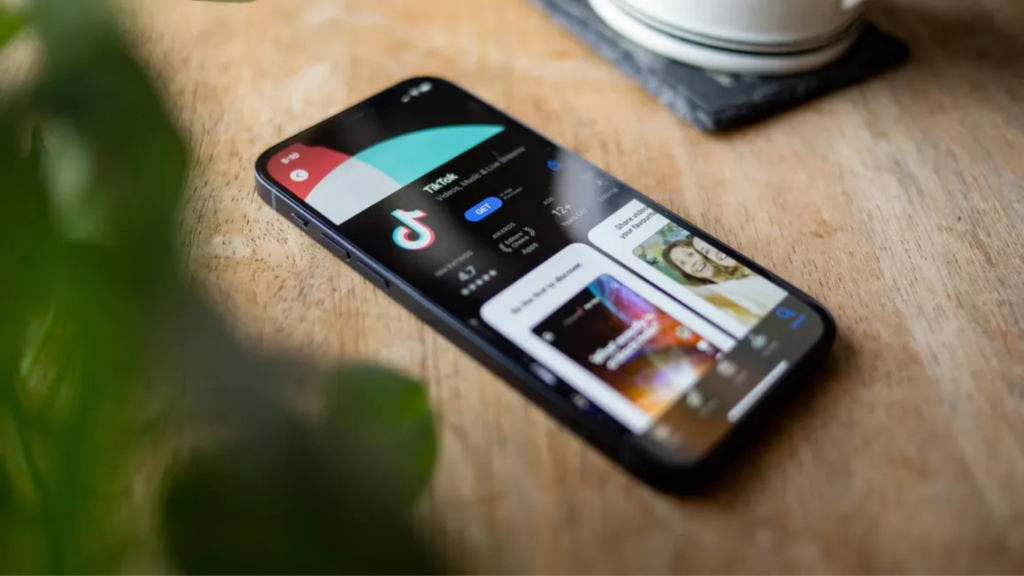
The future of TikTok in the United States may soon look very different. With mounting legal pressure and a September 17 deadline to comply with a federal divestiture order, ByteDance—TikTok’s China-based parent company—is reportedly preparing to launch an entirely new version of the app for the American market.
According to CNN, the separate app could roll out as soon as September 5, with the original app potentially being removed from US app stores on the same day. For the 170 million American users currently on the platform, this development could mark a significant shift in how they use and experience TikTok.
Why Is TikTok Rebuilding the App for the US?
The move stems from US legislation signed last year that mandates the sale or ban of TikTok over national security concerns. The law prohibits any future collaboration with ByteDance, especially when it comes to user data and the core algorithm that powers TikTok’s “For You” feed.
Because China has explicitly stated it would block the transfer of TikTok’s proprietary algorithm to a foreign buyer, ByteDance may have no choice but to build an entirely new algorithm for US users. That, combined with data localization requirements, explains the need for a standalone app.
What Might the New TikTok App Look Like?
Sources suggest that while the user interface could resemble the current app, the backend—particularly the algorithm that governs recommendations—would be fundamentally different.
This has several implications:
-
New content discovery behavior could emerge
-
Cross-border content visibility may diminish
-
Creators and brands might see changes in reach and engagement
-
User data will be siloed from international TikTok data systems
Users may be allowed to keep the existing app until early 2026, but new installs could be restricted to the US-only version once it launches.
Challenges Ahead: Data Migration, Algorithms, and Engagement
Rebuilding the app for the US isn’t as simple as spinning up a new frontend. Several complex technical hurdles exist:
-
Migrating user profiles and content without violating data separation laws
-
Designing a new algorithm from scratch that approximates TikTok’s current engagement metrics
-
Maintaining creator monetization structures in the new app
-
Ensuring compliance with App Store policies and federal oversight
All of this adds to user uncertainty—and risks platform fatigue or even abandonment.
Developer and Tech Ecosystem Impacts
For developers, especially those building TikTok integrations, analytics dashboards, or third-party tools, the emergence of a new app introduces uncertainty. APIs, SDKs, and data pipelines may need to be restructured or even rebuilt, depending on how much ByteDance decides to share with third-party developers under a new US-owned framework.
Hardware partners like smartphone manufacturers and chip vendors could also feel the impact. A change in app architecture might mean different performance benchmarks, device optimization standards, or even security auditing requirements.
Gamers and Creators: A Split Audience?
One of TikTok’s greatest strengths has been its global virality. A song or gaming trend can go from zero to massive overnight, transcending borders. A separate US app could silo the American audience, reducing that network effect.
For gamers, this may affect discoverability—especially for global game titles that rely on creator trends. Creators who earn income from a global base may also need to manage two different audiences on two apps, with possibly different content moderation and analytics tools.
Is a Deal Still on the Table?
Former President Donald Trump has claimed that a group of “very wealthy” buyers is ready to acquire TikTok’s US operations. However, it remains unclear if Beijing will approve any such transaction—especially since the algorithm is reportedly off-limits for export.
Whether or not a sale goes through, the development of a new TikTok app suggests ByteDance is hedging its bets—building a compliant US version in case negotiations fall through.
Legal and Political Uncertainty Remains
Although the law set a strict timeline for divestiture, the current administration has already delayed enforcement three times, which some legal scholars say pushes the boundaries of what the legislation allows.
Still, the political landscape could shift after the 2025 elections, making future enforcement more likely—even if TikTok gets a temporary reprieve.
Letters released under the Freedom of Information Act suggest federal authorities are walking a legal tightrope, encouraging app store operators and cloud providers to keep TikTok online—without offering long-term immunity from liability.
What Comes Next for TikTok?
Whether TikTok splits, sells, or reboots, one thing is certain: the platform’s next chapter in the US will be shaped by unprecedented regulatory scrutiny and technical reinvention.
If ByteDance successfully launches a US-only version of TikTok with a rebuilt algorithm and isolated data structures, it could become a model for “sovereign tech stacks”—where apps comply with national laws by adapting infrastructure, not just policy.
But the risk is real: a fractured TikTok experience could weaken user trust and open the door for competitors like Instagram Reels, YouTube Shorts, or Snapchat Spotlight to capture market share.
Stay Ahead in Tech
Follow the latest tech policy changes, app launches, and platform evolutions at kodecraze.com/news